
The short answer is yes. The longer answer is that South Africa is one of the few places where combining these two things feels natural rather than forced, and the reason has everything to do with geography and pace.
Most safari destinations run on an early-morning and late-afternoon schedule. Game drives go out at dawn and again as the heat drops in the late afternoon, which leaves a substantial middle portion of the day free. In some of the private reserves near Kruger National Park, that middle stretch lands you in some of the most spectacular golfing locations on the continent. The two activities do not compete. They slot into each other.
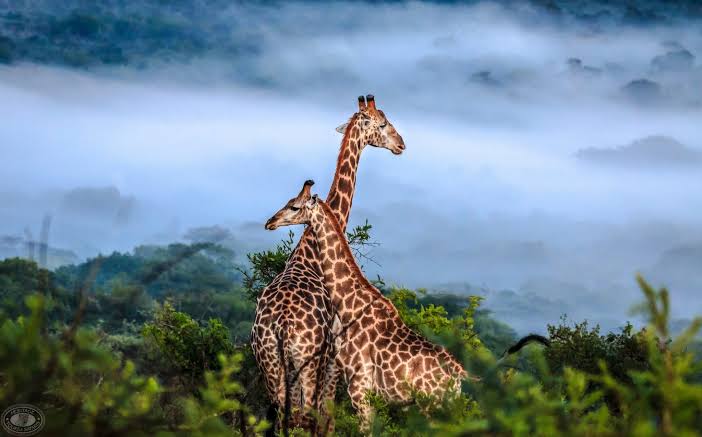
Nowhere makes this clearer than Leopard Creek golf, the Gary Player-designed course that sits on the banks of the Crocodile River, its southern boundary literally sharing a fence with Kruger National Park. Opened in 1996 and substantially renovated in 2017, it occupies a stretch of land that is still an active wildlife habitat. Elephants, giraffes, hippo and crocodile are not occasional sightings here. They are residents.
Access to Leopard Creek is private. Visitors play through approved neighboring luxury lodges rather than arriving independently, and tee times are typically available on weekdays. This exclusivity is part of what keeps the course and its surroundings intact. It also means the experience bears little resemblance to a resort round in the Algarve or Arizona. You are playing golf in an ecosystem, and the course makes no effort to hide that.
Why the Two Experiences Work Together
A golf and safari trip works best when the two experiences are planned as complementary parts of the same itinerary rather than competing priorities.
Safari travel involves a specific rhythm that most people do not anticipate. The best sightings happen in the early morning and the golden hour before sunset. The hours in between, roughly 10am to 4pm, are when animals retreat into shade and the bush goes quiet. Veteran safari travelers fill this time with lunch, a swim, and a rest before the afternoon drive. Golfers can use those quieter hours for 18 holes.
The physical contrast also helps. Hours in a game drive vehicle, however thrilling, are sedentary. The kind of landscape appreciation that comes from walking a fairway or standing on an elevated tee with nothing but bush in every direction adds a different register to the trip. You are moving through the environment rather than watching it. Some people find that this deepens the experience of the safari days rather than diluting it.
How to Structure the Itinerary
South Africa rewards a trip that moves through two or three distinct regions rather than basing itself in one place. A workable approach for a 10 to 14-night trip might look something like this.
Start in the Western Cape. Cape Town and the surrounding wine country give you one of the finest city and landscape combinations in the world, and the golf around here, Pearl Valley, Steenberg, and Arabella near Hermanus among others, is high quality without the wildlife drama of the lowveld. Spend four or five days recovering from the flight, eat well. This part of the trip requires no advance coordination beyond tee times.
Then head north and east toward Mpumalanga and the Kruger region. This is where the safari and golf combination becomes real. Spend a few nights in a private reserve adjacent to Kruger for the game drives, then arrange access to Leopard Creek through your lodge. A day on that course, with Kruger visible across the river and the ambient noise of an African riverbank, is the kind of thing that is difficult to explain to people who have not done it.
Domestic flights between Cape Town and the Kruger region take around two hours. They are frequent and relatively inexpensive. The logistics are manageable, but they do require more coordination than a conventional golf trip. Tee times at Leopard Creek are limited and sought after; booking through a specialist operator is the practical way to secure access rather than attempting to arrange it independently.
What to Expect in the Wildlife Reserves
The private reserves bordering Kruger, Sabi Sands and others in the greater ecosystem offer something the national park itself does not: the ability to drive off-road and follow animals at close range. Big Five sightings, meaning lion, leopard, elephant, buffalo and rhino, are genuinely common in these concessions rather than occasional. The guiding is of a different standard from the self-drive park experience because the rangers are tracking specific animals daily and know individual members of prides and packs by sight.
Two to three nights at a private reserve is enough to get the full rhythm of the experience. More than four nights and most guests find they want a change of pace, which is where the golf days serve a structural purpose beyond the sport itself.
The reserves closest to Leopard Creek, in and around Malelane and the greater Sabi Sands area, are where the itinerary naturally connects. Staying within this zone allows you to arrange a Leopard Creek round without a long transfer and to move between the lodge and the course without losing half a day to logistics.
The Broader South African Experience
Golf and safari are the organizing principle of this trip, but South Africa offers enough alongside them that the non-golf, non-safari days do not feel like dead time. The Winelands around Stellenbosch and Franschhoek are a 45-minute drive from Cape Town. The Garden Route, stretching east along the coast from Mossel Bay toward Storms River, is one of the finest scenic drives on the continent. Both are natural additions to an itinerary that is already moving through the country.
For partners or traveling companions who are not golfers, the Western Cape section of the trip carries most of the itinerary on its own. Hiking, wine tasting, coastal walks, and the restaurants of Cape Town provide more than enough for a week. The Kruger region days work differently: non-golfers can book multiple game drives while their companions are on the course, or take guided bush walks, which are a separate and rewarding way to experience the lowveld.
Practical Considerations
Timing is the single most important planning decision for this trip. The Western Cape is at its best from September through April. The Kruger region is drier and better for game viewing from May through September, when vegetation thins and animals concentrate around water sources. The overlap of both, for travelers who want excellent conditions across the whole itinerary, is the shoulder period of September and October.
September is consistently worth considering for this specific combination. The Western Cape is warming up, the Kruger bush is still dry enough for good sightings, and both regions are quieter than they will be in December. Mornings in the lowveld are cool in September, which makes early game drives more comfortable. Leopard Creek plays well across most of the year, though the summer heat of January and February makes afternoon golf genuinely demanding.
A trip like this is a significant investment, particularly if you want to combine private reserve stays in the Sabi Sands with a round at Leopard Creek and time in Cape Town. Add domestic flights and high-quality accommodation, and a 12-night trip for two can quickly become a substantial spend. Planning for that from the outset gives you the freedom to build an itinerary around the experiences you most want to have, rather than having to compromise later.
A Trip Worth the Planning
The combination works because the two experiences speak to similar impulses: the desire to be in a remarkable landscape, the pleasure of a skill-based activity in unusual surroundings, and the kind of deliberate travel that leaves you with stories that require more than a sentence to tell.
South Africa has the practical infrastructure to support it. The logistics are more involved than a week in Europe, but they are not as complicated as some itineraries of this ambition. With the right planning, and ideally with someone who knows the country well helping to coordinate the moving parts, the gap between the idea and the actual trip is smaller than it might look from the outside.


