
Welcome to Beautiful World
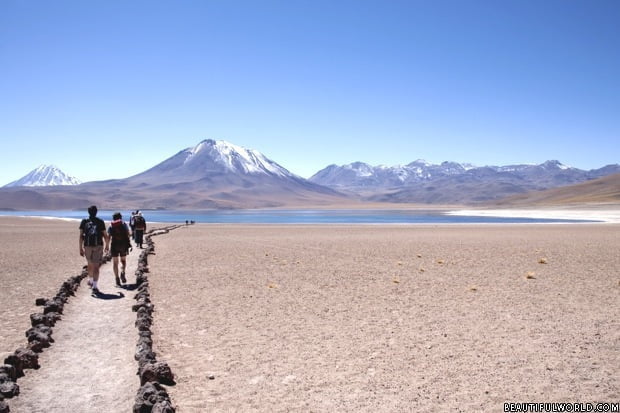
Atacama Desert
The Atacama Desert covers a total area of 40,541 sq. mi (105,000 sq. km), stretching 600mi (1000km) from southern Peru into northern Chile. Officially the driest place on Earth, it receives almost no rainfall whatsoever. In fact, it is so dry that some weather stations in the desert have never recorded a single drop of…
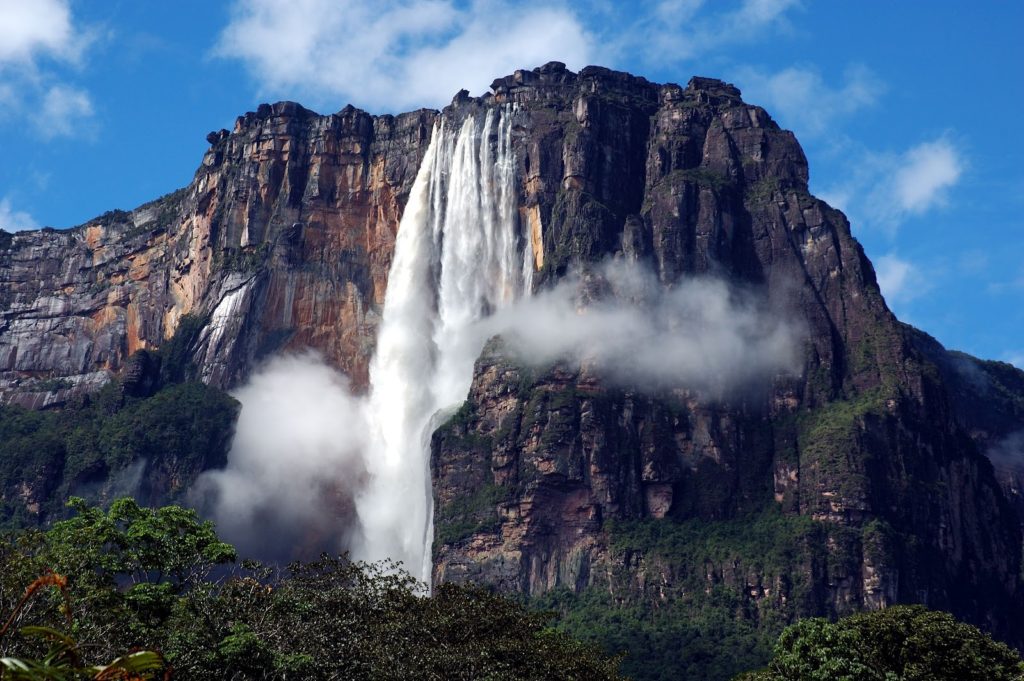
Angel Falls
Angel Falls is the world’s highest uninterrupted waterfall. Located in Canaima National Park, the second largest national park in Venezuela, the waterfall tumbles from a cleft near the summit of table top mountain Auyán-tepu into what is known as Devil’s Canyon, 3212 feet (979m) below. The falls are a tributary of the Carrao River, itself…
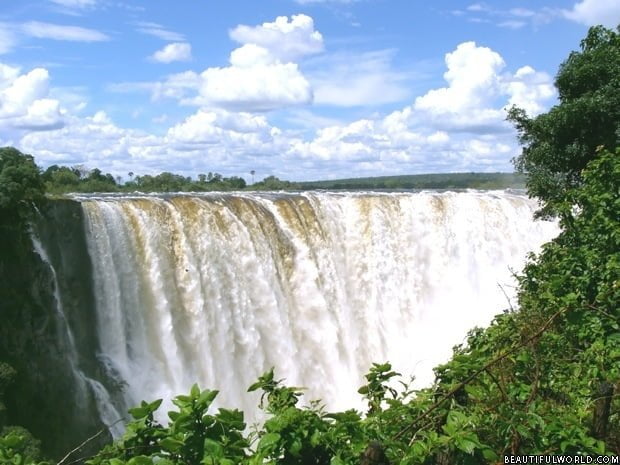
Victoria Falls
Victoria Falls is perhaps the most famous waterfall in existence. Situated on the border of Zambia and Zimbabwe, this massive wall of water is also referred to by its indigenous name ‘Most-oa-Tunya’, which means ‘the Smoke that Thunders’. Fed from the Zambezi River, the Falls are considered one of the Seven Wonders of the Natural…
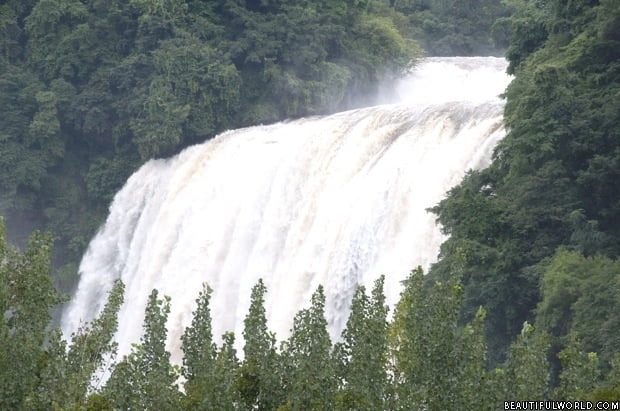
Huangguoshu Waterfall
Huangguoshu Waterfall, situated in the province of Anshun in China, is the tallest waterfall in Asia at 255ft (77.8m) high and 331ft (101m) wide. It’s name, ‘Huangguoshu’, literally translates to ‘yellow fruit tree’. The falls and the surrounding area form ‘Huangguoshu Waterfall National Park’, which is rated by the Chinese Tourism board as AAAAA, the…

Serengeti National Park
As the sun glows golden in a deep red sky, a cloud of dust appears on the horizon. Soon, the whole of the savannah is trembling with the thudding of a million hooves. The great wildebeest migration is the most famous event in the Serengeti’s annual calendar, but all year round, this National Park in…
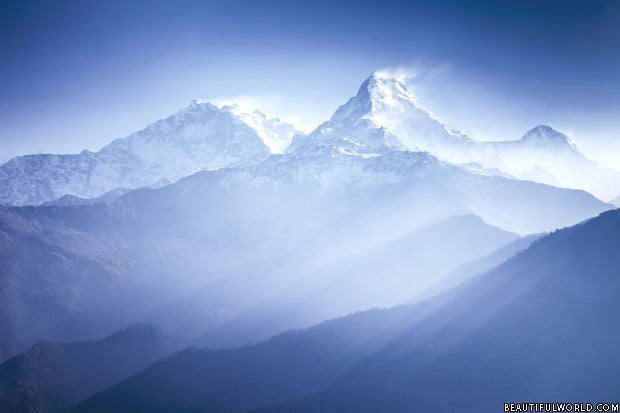
Dhaulagiri Mountain
Dhaulagiri, the seventh highest mountain in the world, is situated in Nepal and forms part of the Dhaulagiri mountain range. Its name is derived from Sanskrit, where it means ‘white beautiful mountain’. First ascended in 1960, the mountain has since been climbed successfully hundreds of times. Interesting facts about Dhaulagiri Dhaulagiri is the highest mountain…
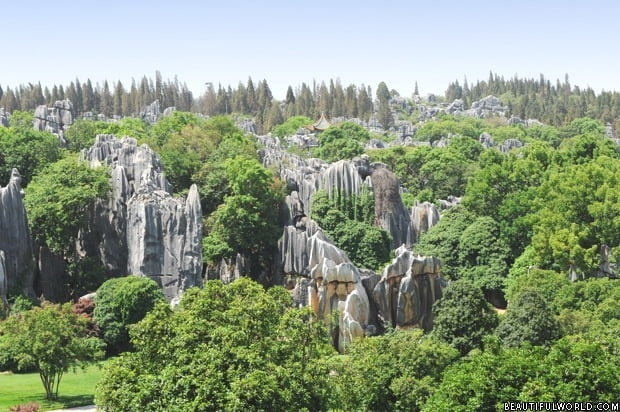
Stone Forest National Park
Situated close to the bustling city of Kunming in China’s Lunan Yi Autonomous province, Stone Forest National Park is a scenic area boasting an array of captivating limestone formations. Bewitching, dove grey stones, shaped like trees, animals and even fungi, rise up from the earth and point into the heavens, casting eerie shadows. Unsurprisingly, the…
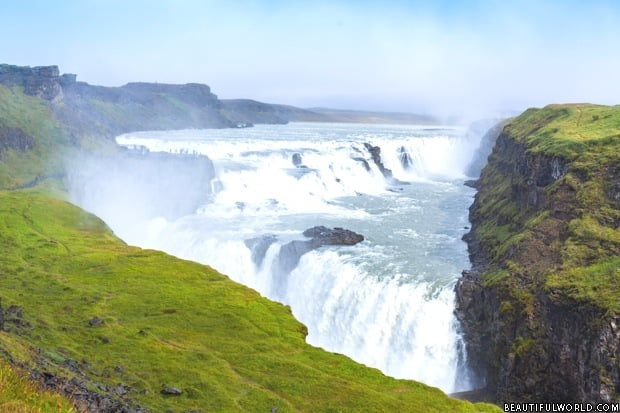
Gullfoss Waterfall
Gullfoss is a tiered waterfall, with a total height of 105 feet (32m). Born from the Hvita River, the crevice is hidden from sight at close range, making it appear as though the river simply vanishes into the earth. There’s a famous story about a girl who walked barefoot from Reykjavic to Gullfoss in order…
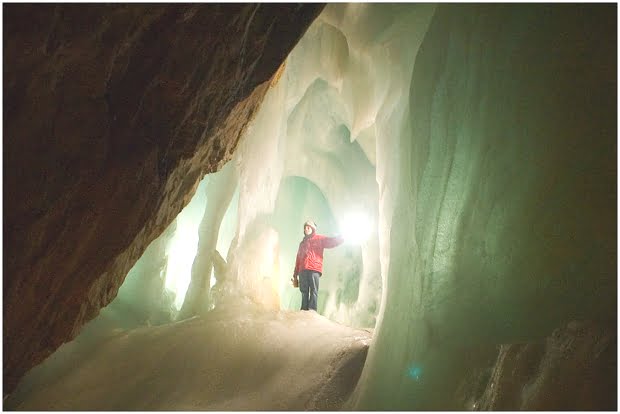
Eisriesenwelt Cave
Tucked away inside the Hochkogel Mountain in Werfen, lies Eisriesenwelt, the largest ice cave in the world. Sprawling an enormous 26 miles (42km) through the Tenneggebirge section of the Alps, Eisriesenwelt aptly translates to “World of the Ice Giants” in English. Only the first 0.62-mile (960m) of the cave is sheathed in ice, though luckily,…
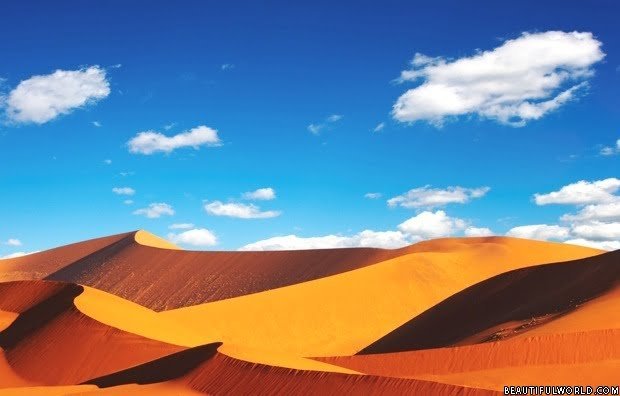
Sossusvlei
Sossusvlei is a large salt and clay pan, situated in the southern region of the Namib Desert. Undoubtedly Namibia’s most iconic landscape; the rust-red dunes, bleached white pans and deep blue sky are instantly recognisable, and symbolise the country’s vast, dry, uninhabited expanses. The name ‘Sossusvlei’ is thought to originate from Afrikaans and Nama, and…

Giant’s Causeway
The Giant’s Causeway is a vast and impressive expanse of closely packed hexagonal basalt columns approximately 40,000 in number that poke out of the Irish Sea. Formed as a result of intense volcanic activity, it lies on the north coast of the County of Antrim, Northern Ireland. The symmetrical and unique rock formations have mesmerised…
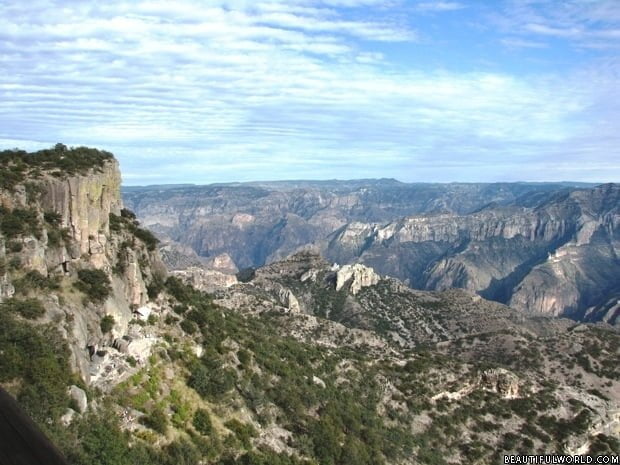
Copper Canyon
Copper Canyon is situated in Mexico’s legendary Sierra Madre Mountains and is home to the Tarahumara Indians, a cave-dwelling culture famed for their distance running prowess. Copper Canyon is composed of six, interconnected canyons that, when combined, are significantly larger than the Grand Canyon, and in some areas deeper as well. Hundreds of trails crisscross…
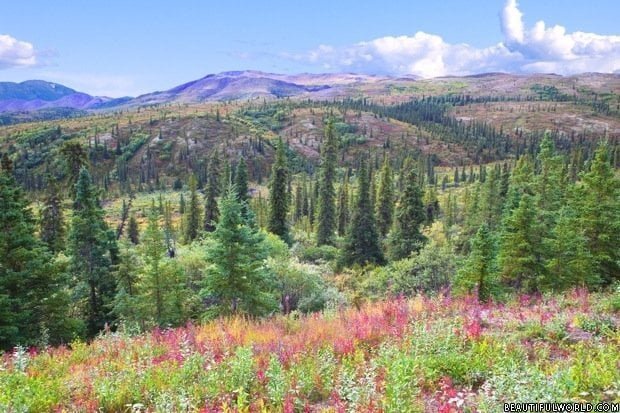
Denali National Park
Located in Alaska’s interior, the Denali National Park and Preserve encompasses over six million acres of land. The park itself is slightly larger than the US state of Massachusetts and plays host to a fascinating variety of animal and plants. Denali National Park is also home to the tallest mountain in North America, Mount McKinley,…
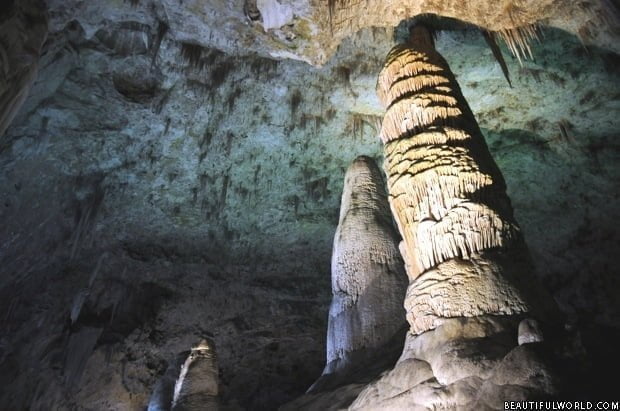
Carlsbad Caverns
The Carlsbad Caverns are a series of natural limestone caves located in Carlsbad Caverns National Park, in the Guadalupe Mountains of New Mexico. The “Big Room” is the most impressive in terms of both formations and size, measuring an enormous 1220m (4000ft) in length and 68m (225ft) in height. However, there are multiple chambers featuring…
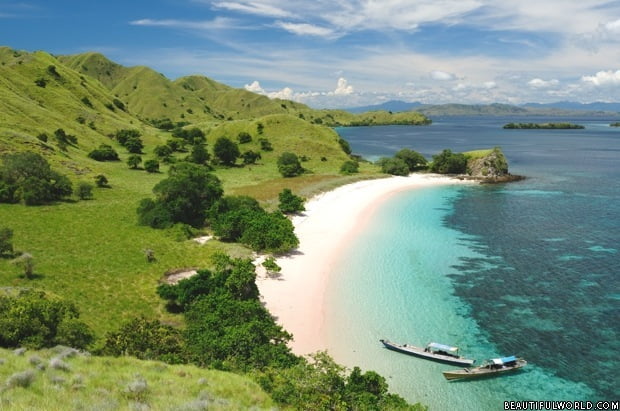
Komodo National Park
Where is Komodo National Park? Komodo National Park, situated in the heart of the Indonesian archipelago, is composed of three large islands (Komodo, Rinca and Padar), and numerous smaller ones, all of volcanic origin. Perhaps the most dramatic of all Indonesian landscapes, the park features rough hillsides of dry savannah, green thorny vegetation, perfect sandy…
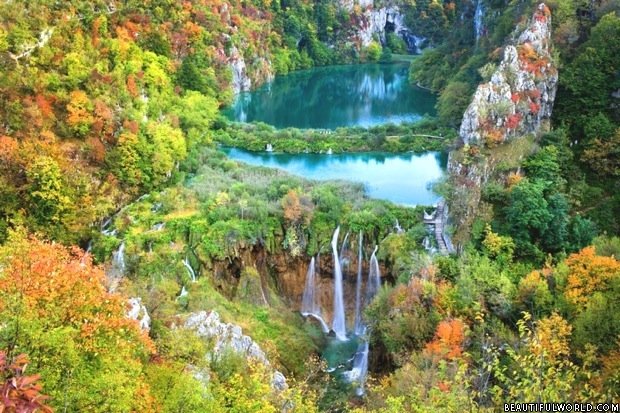
Plitvice Lakes National Park
With cascading waterfalls hidden among lush forest greenery, it’s easy to see why Croatia’s very own Garden of Eden regularly features in lists of the world’s most beautiful places. At the heart of the Plitvice Lakes National Park, 16 azure pools spill into each other, connected with rocky outcrops dripping in moss. The tallest waterfall,…
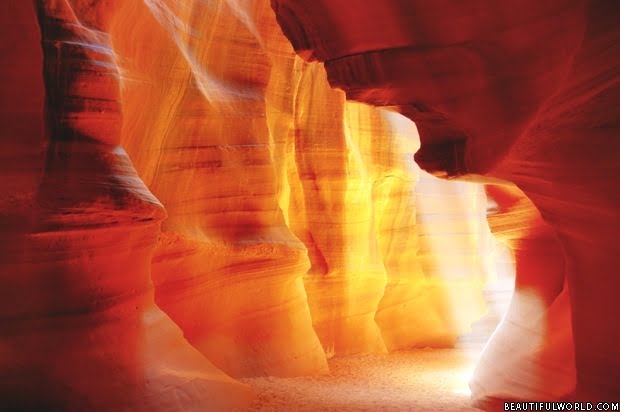
Antelope Canyon
Antelope Canyon, set in the southwest region of the United States, is one of the most photographed slot canyons in the world. Located near Page, Arizona, on Navajo land, it is comprised of two distinct sections: The Crack / Upper Antelope Canyon, and The Corkscrew / Lower Antelope Canyon. Of these, The Crack is the…
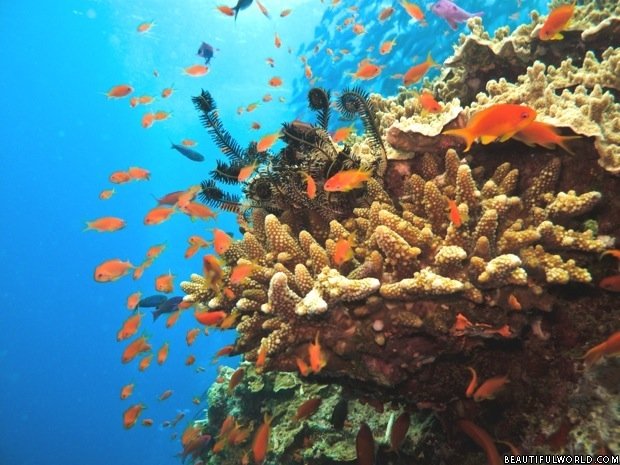
Great Barrier Reef
The Great Barrier Reef is one of world’s most incredible ecosystems and it comprises of over 2,900 individual coral reefs along with around 900 islands. It stretches a distance of around 1,400 miles in the Coral Sea off the coast of Queensland Australia. It is simply immense and fans of the Great Barrier Reef are…

Grand Canyon
The Grand Canyon is a majestic steep-sided canyon that attracts an incredible 5 million visitors per annum. Located in the southwestern U.S. state of Arizona, it has an average depth of 1220 meters (4000ft), and is 277 miles (445km) long. The South Rim of the Grand Canyon is the most frequently visited, thanks to its…
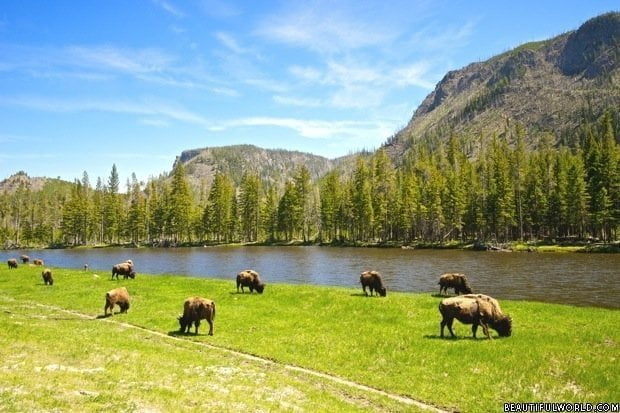
Yellowstone National Park
Recognized as America’s first national park, Yellowstone is a vast nature reserve situated in the USA. The park encompasses an area of 3472 square miles (8987 sq. km), occupying a large portion of Wyoming, as well as swathes of Montana and Idaho. Forests, mountains, rivers and half of the world’s geothermic features are found in…
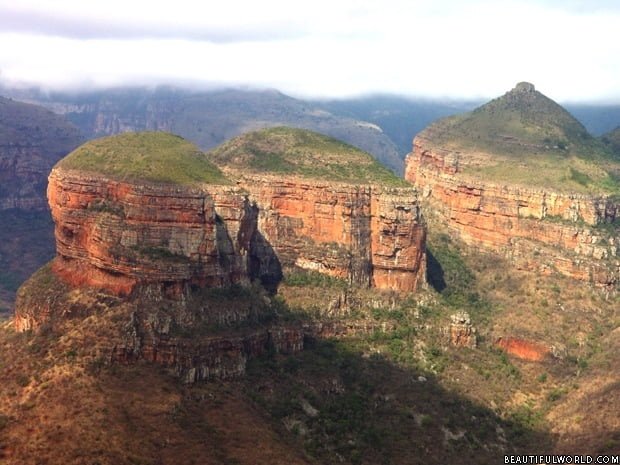
Three Rondavels
The Three Rondavels are an ancient geological wonder located in South Africa’s Blyde River Canyon region. The trio of portly peaks are shaped like traditional beehive huts, with gently sloping walls and domed summits. Also known as the Three Sisters, they serve as reminders of the native hut housing structures called rondavels. Situated along the…

Verdon Gorge
The Verdon Gorge is one of Europe’s most beautiful river canyons. Situated in Provence Southeastern France, its name is derived from the striking turquoise color of the Verdon River that flows along its picturesque 25 kilometre (15.5 mile) length. Reaching a depth of 700 meters (2296ft) at numerous points, the Verdon Gorge (‘Gorges du Verdon‘…
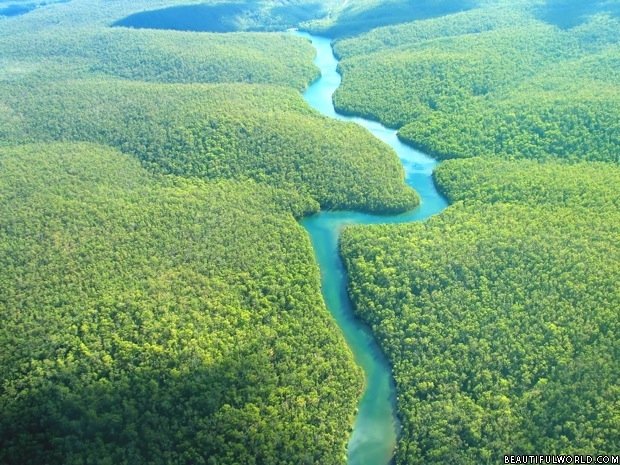
Amazon Rainforest
The Amazon is a vast forest. Most of it is in Brazil however significant areas of 7 other countries are all covered by this forest; Bolivia, Peru, Ecuador, Colombia, Venezuela, Guyana, Suriname and French Guiana. The forest covers the drainage basin of the Amazon river. One in ten of the world’s known species live in…
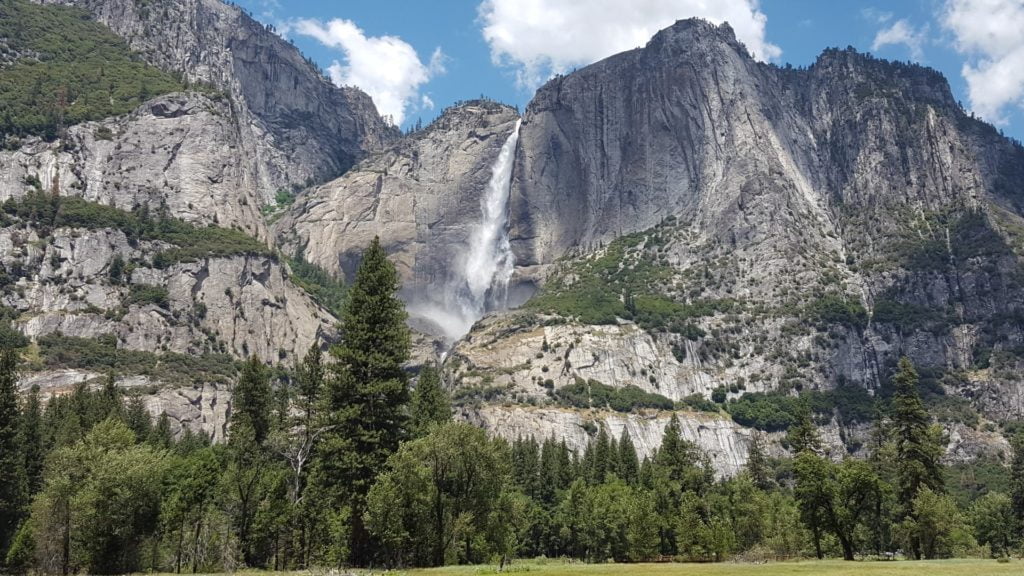
Yosemite Falls
Yosemite Falls is a three-tiered, 2425 ft waterfall, situated in Yosemite National Park, California. If you want to find out more about the Park and its other falls and features please read our Yosemite National Park page. If the three tiers are considered as a whole, Yosemite Falls is the highest waterfall in North America…
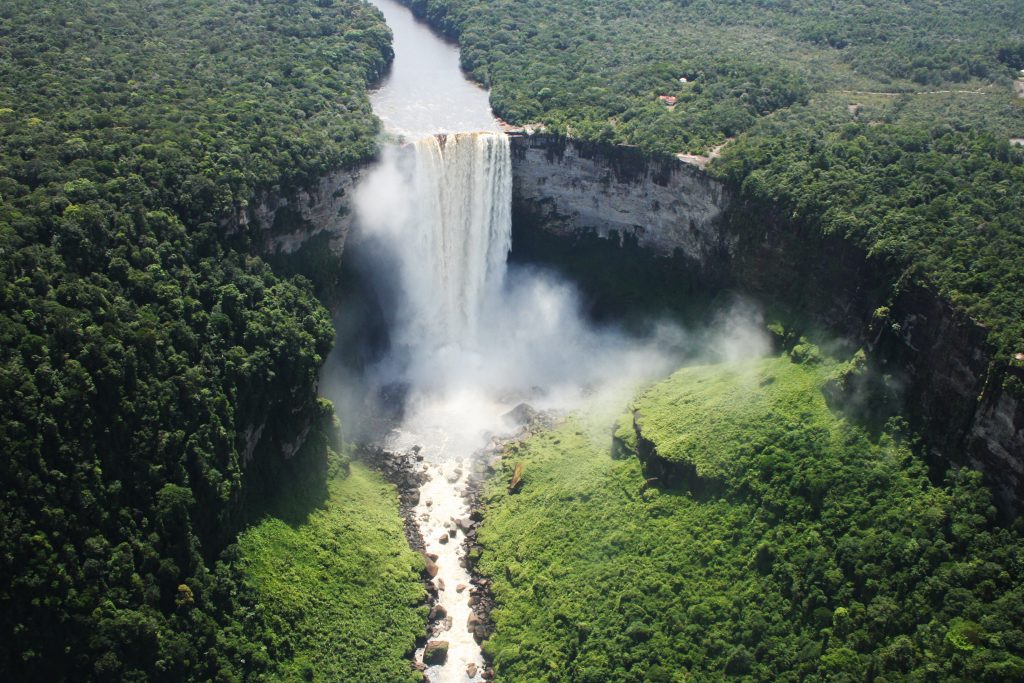
Kaieteur Falls
Kaieteur Falls is one of the tallest and most powerful waterfalls in the world. Located in Kaieteur National Park, Guyana, the falls’ impressive combination of height and force make it a fearsome sight. Travellers generally visit the falls in small groups, and therefore the area is never crowded, allowing tourists to marvel at the rugged…
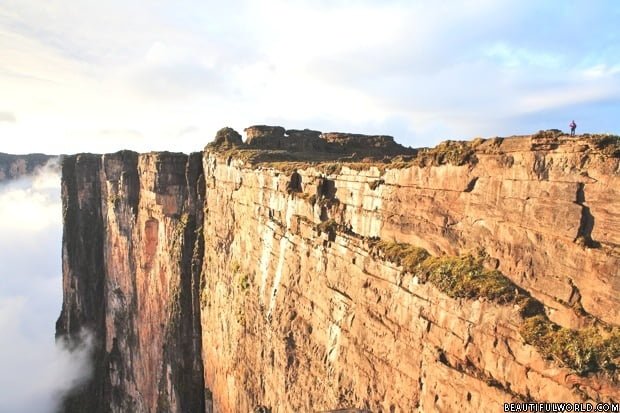
Mount Roraima
Located in Venezuela’s Canaima National Park, Mount Roraima is the highest of the Pakaraima chain of tepui plateau. Mount Roraima is 9 miles (14km) long, and 9222ft (2810m) tall at its highest point, with 1300ft (400m) cliffs on each side of the plateau. At its summit, Roraima is largely sandstone without much vegetation, though a…
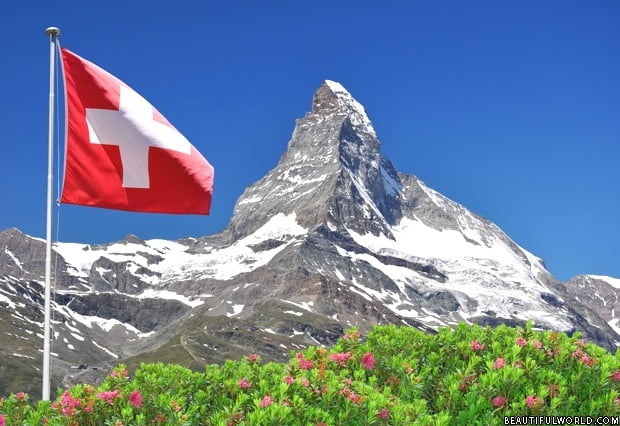
Matterhorn Mountain
Matterhorn Elevation & Location Matterhorn mountain is situated in the Pennine Alps on the border between Switzerland and Italy. It is one of the most famous and distinctive of all Alpine peaks. The Matterhorn is a pyramidal-shaped colossus, standing at a skyline-dominating elevation of 4478 metres (14,690 feet tall) which makes it the sixth highest…
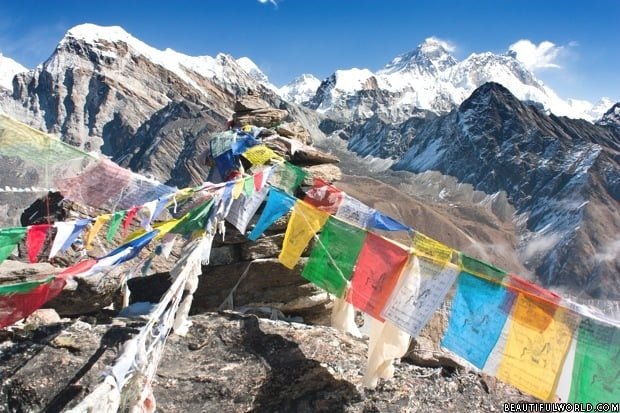
Mount Everest
Mount Everest is the highest mountain in the world with a peak that soars 29,028ft (8847m) above sea level. Situated on the border of Nepal and Tibet in the Mahalangur section of the Himalayan Mountains, the natural beauty of Everest is unrivaled. Incredibly, all 14 of the world’s peaks measuring over 8000 meters can be…

Sahara Desert
The Sahara is the largest non-polar desert in the world. Covering approximately 3.5 million square miles (9,064,958 sq. km), it occupies land belonging to Algeria, Chad, Egypt, Libya, Mali, Mauritania, Morocco, Niger, Western Sahara, Sudan, and Tunisia. The boundaries of the desert are the Red Sea to the east, the Mediterranean Sea to the north,…
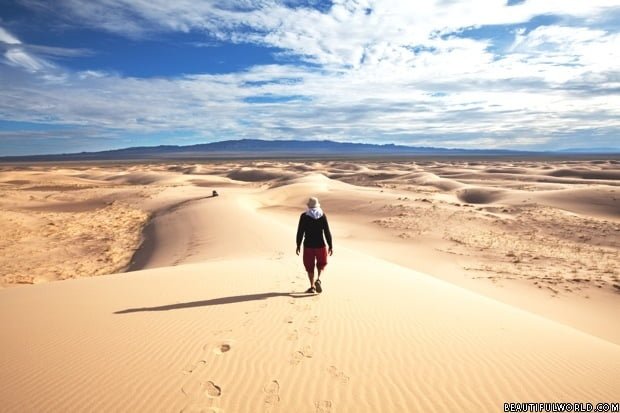
Gobi Desert
The Gobi Desert spans portions of both Northern China and Southern Mongolia, covering a total area of 0.5 million square miles (1.29 million sq. km). A cold desert; Gobi has one of the world’s most extreme climates, featuring rapid temperature changes, both seasonally and daily. Summer months bring temperatures of up to 122°F (50°C) whilst…