
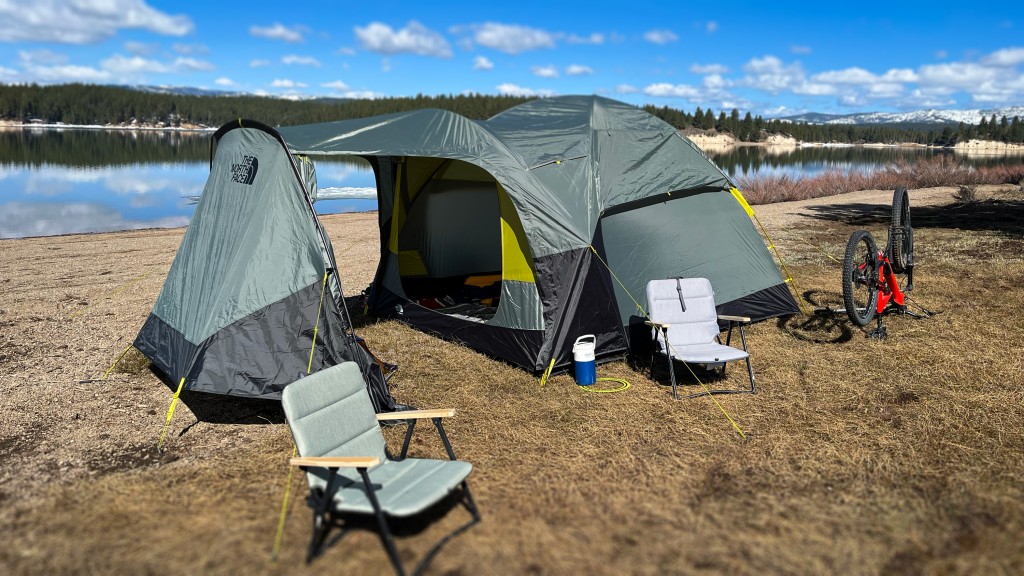
Camping used to carry a certain reputation. People pictured roughing it, bug spray battles, and sleeping bags that never quite zipped right. That image has shifted in recent years, and the change feels refreshing. More people are heading outside not because they have to, but because they want a break from screens, packed schedules, and the constant hum of modern life.
The renewed interest in camping has less to do with survival and more to do with slowing down. A simple fire, a quiet trail, and a morning that begins with birds instead of alarms can reset a person faster than any productivity hack. Families are rediscovering weekends away in tents. Couples are packing the car and heading toward state parks. Even longtime city dwellers are finding themselves drawn to the idea of cooking breakfast over a camp stove while fog lifts off a nearby lake.
What surprises many first timers is how approachable camping has become. Lightweight gear, simple meal kits, and well maintained parks mean the experience no longer requires extreme preparation. The barrier to entry is lower than it has ever been, which explains why campgrounds fill up quickly once the weather turns warm.
Finding Great Places To Camp Without Traveling Far
One of the biggest myths about camping is that you have to drive halfway across the country to find a beautiful spot. In reality, many of the most memorable campsites sit within a few hours of major cities. Forests, national parks, and protected shorelines often hide in plain sight.
Across the eastern United States, travelers are beginning to rediscover forests, coastal campgrounds, and mountain retreats that have quietly existed for decades. Many outdoor enthusiasts have started seeking out East coast camping spots that offer dramatic scenery without the long flights or complicated travel planning. The Blue Ridge Mountains, coastal Maine, and the Appalachian forests all provide landscapes that rival destinations much farther west.
The key is planning ahead and paying attention to what you bring. When people shop outdoor products, choosing quality that lasts makes the entire experience smoother. A reliable tent, a warm sleeping pad, and cookware that can handle open flame will pay off quickly. Good gear does not have to be expensive, but durability matters when the weather shifts or the ground turns uneven.
Once the essentials are in place, the focus can return to what camping is actually about. Fresh air, wide open skies, and the freedom that comes from leaving daily noise behind.
Packing Smart Without Overcomplicating The Trip
Anyone who has camped long enough has seen the classic mistake. Someone arrives with a car packed like they are moving across the country. Five coolers, three lanterns, a folding table that takes half an hour to assemble. By the time everything is unpacked, the person is already exhausted.
The sweet spot sits somewhere in the middle. A comfortable sleeping setup, simple cooking gear, layered clothing, and lighting for nighttime usually cover the essentials. Many seasoned campers will tell you that less equipment often leads to a better trip. It is easier to move, easier to clean up, and far easier to relax.
Food can stay simple as well. Grilled vegetables, foil packet dinners, and classic campfire meals keep preparation manageable. Coffee brewed outside tends to taste better anyway, especially when the morning air is cool and the forest is still quiet.
Once campers realize the experience does not require hauling half their kitchen into the woods, the entire idea becomes more appealing.
Campfires, Conversation, And The Rhythm Of Outdoor Living
One of the things people notice quickly during a camping trip is how time changes pace. Evening arrives without the usual rush. Instead of television or phones, people gather around a fire and talk.
Stories come out more easily in that setting. The crackle of wood and the smell of smoke seem to slow everything down. Even children who usually move from one screen to another often find themselves staring into the flames, roasting marshmallows, or wandering nearby trails with flashlights.
Nature has a quiet way of setting the schedule. Morning light wakes people earlier than usual. Afternoons drift into hikes or swimming. By nightfall, most campers feel pleasantly tired in a way that rarely happens during the normal workweek.
The simplicity becomes the real luxury. There are no notifications, no endless errands, and no pressure to accomplish anything beyond enjoying the surroundings.
A Tradition That Feels Timeless Again
Camping continues to attract new enthusiasts because it offers something many modern activities do not. It invites people to step outside routine and reconnect with the physical world around them.
A patch of forest, a lake reflecting the sky, and the glow of a small campfire can remind anyone that adventure does not require complicated travel plans. Sometimes it only takes a tent, a trailhead, and a willingness to spend a night under the stars.
Camping succeeds because it strips life down to the basics. Fresh air, good food, and a place to rest become enough. When people return home after a weekend outdoors, they often notice something interesting. The world feels a little quieter, their thoughts feel clearer, and the idea of heading back outside soon starts to sound pretty good.


